Published Work
Here are some of my latest contributions.
2026
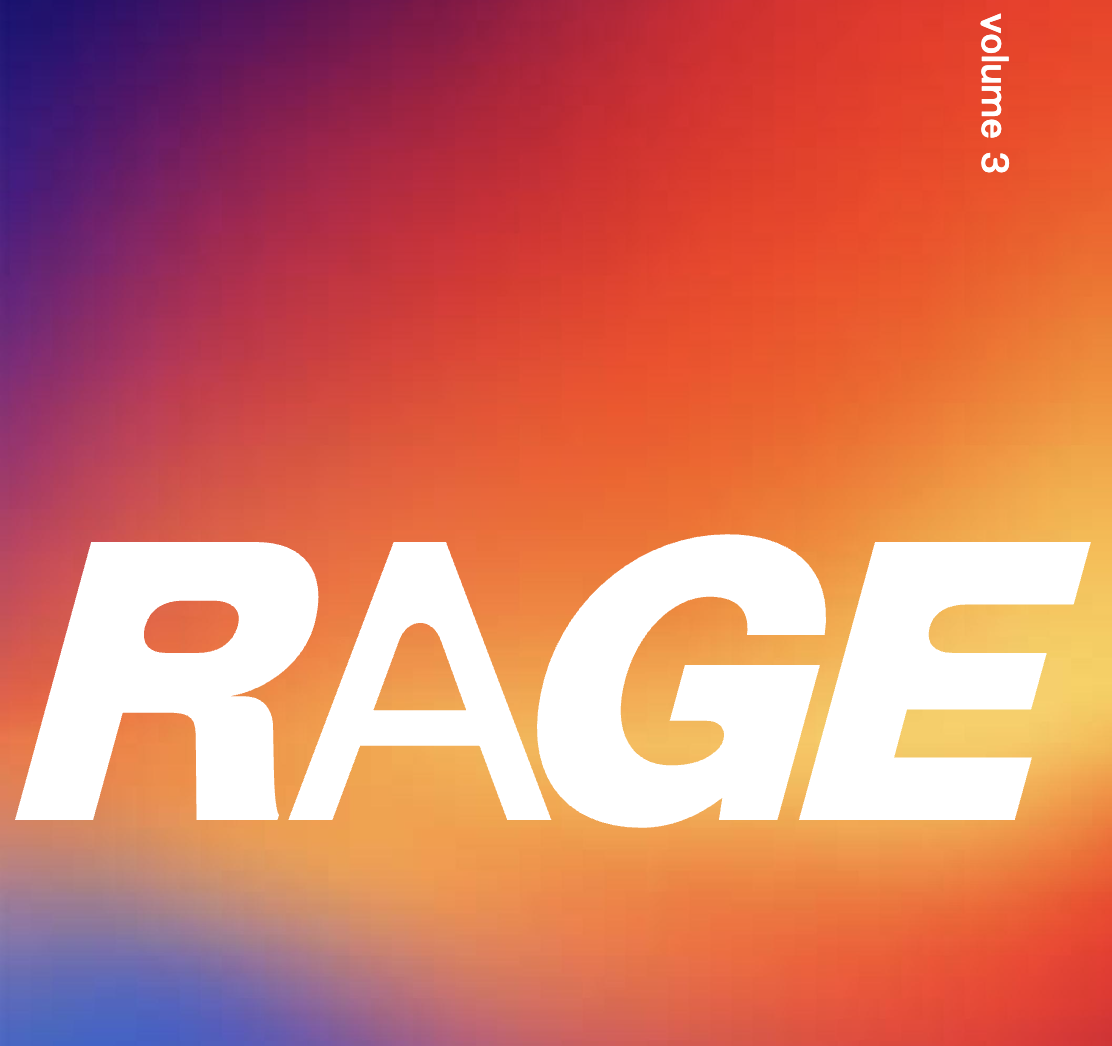
RAGE Zine Vol. 3
A multidisciplinary feminist publication channeling rage as a tool for creative change and critical storytelling. As Pop Culture & Media Editor from Vol. 3, I curate and edit zine contributions, cover contemporary pop culture, media trends and music scenes, produce editorial content centered on identity, media, and representation as well as co-facilitate events.
Pop Culture & Media Editor – co-edited with the RAGE Collective
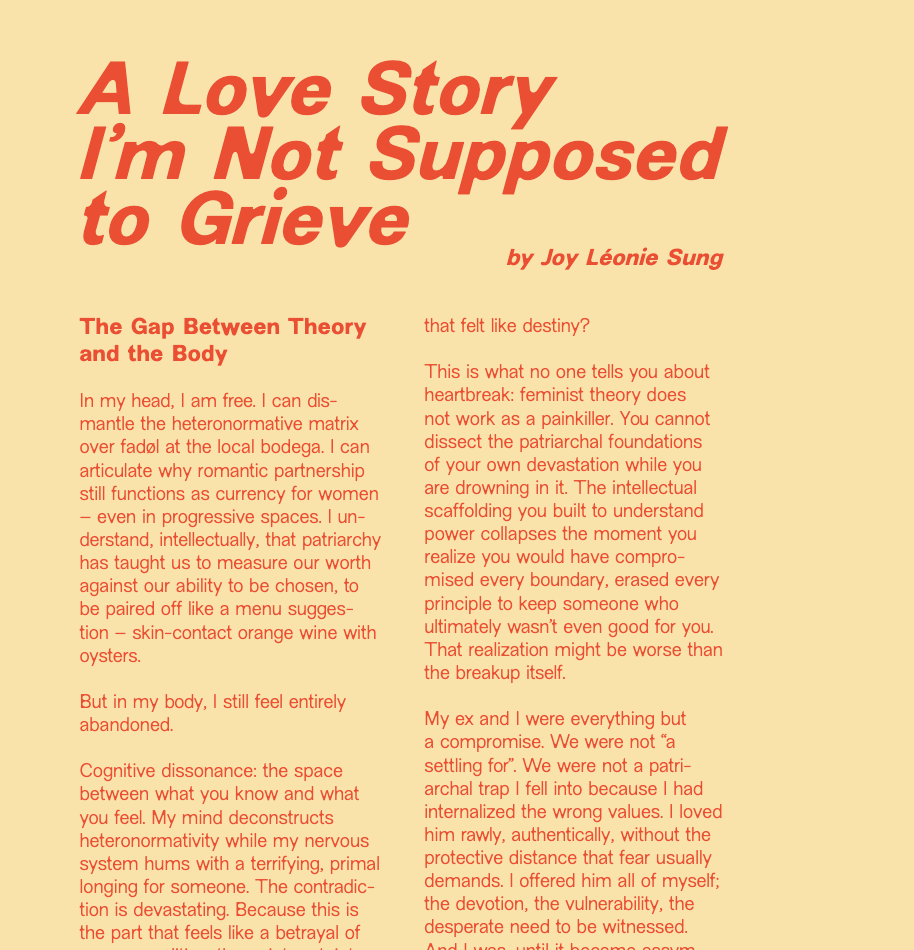
‘A Love Story I’m Not Supposed To Grieve’
A personal essay exploring the conflict between feminist theory and the embodied desire for romantic love. Structured across five sections, tracing my own post-breakup with feminism and lived experience. The piece moves between confessional voice and cultural critique, using the essay form itself as an argument for holding contradiction.
Published in Rage Zine Vol. 3
Academic Reports
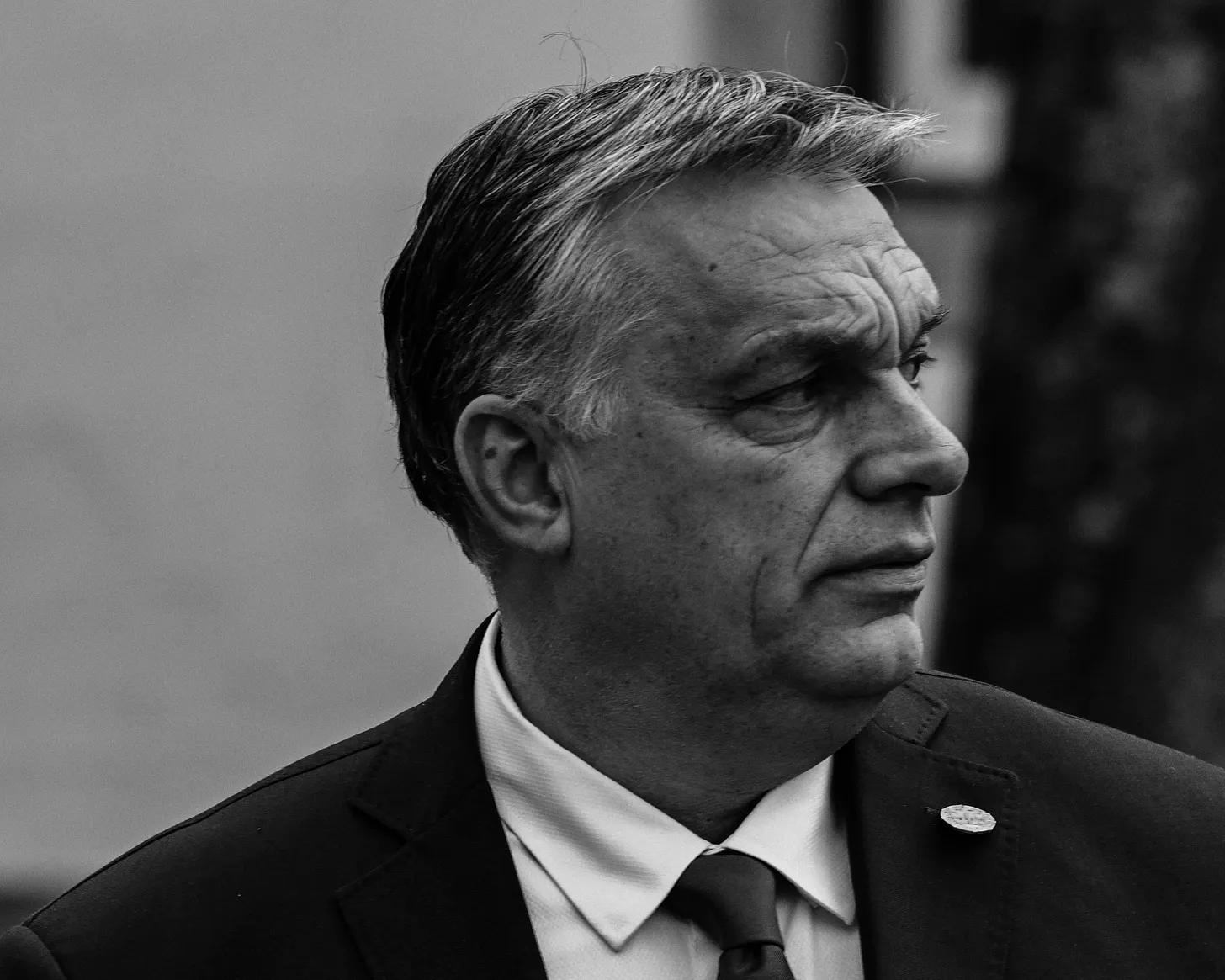
‘Orbán’s Hungary’
May 2026
In the context of democratic backsliding and Viktor Orbán’s tight grip on the Hungarian political landscape, I study how complex foreign politics are mediated and framed for a national audience in collaboration with a fellow researcher. Danish news articles covering the Hungarian election and Orbán’s government are the primary object of analysis, but the study draws on theories of agenda-setting, media logic, and cross-border journalism to investigate what gets lost in translation. This includes a qualitative analysis of how Danish media select and frame stories about Hungary, how domestic news criteria shape the narrative, and the nuances of the Hungarian reality that often disappear when adapted for a Danish public.
Supervised by Martine Bentsen, PhD.
‘From Ideal to Practice’
November 2025
In the rapidly platformized media landscape and rising global conflicts, this solo project studied how journalistic responsibility and media integrity are negotiated by different stakeholders. The ‘Copenhagen Conference on Information Integrity 2025’ serves as the primary empirical case, but the study draws on a variety of theoretical perspectives on platform power and global journalism ethics. This includes Stephen J. A. Ward’s normative framework of pragmatic objectivity and global journalism ethics, alongside José van Dijck’s critical structural analysis of the ‘platform society’ and platform censorship. By analyzing panel discussions, participant observations, and stakeholder interviews, the study concludes that treating information integrity as a cross-sectoral concept is a fruitful way to understand the structural barriers facing modern journalism, demonstrating that integrity is not a static universal ideal, but a context-dependent practice negotiated between democratic resilience, security, and platform control.
The conference was co-organized by IMS (International Media Support), the Danish Ministry of Foreign Affairs and the Digital Democracy Initiative (DDI) and co-hosted by UNDP in the UN City. Read more here.